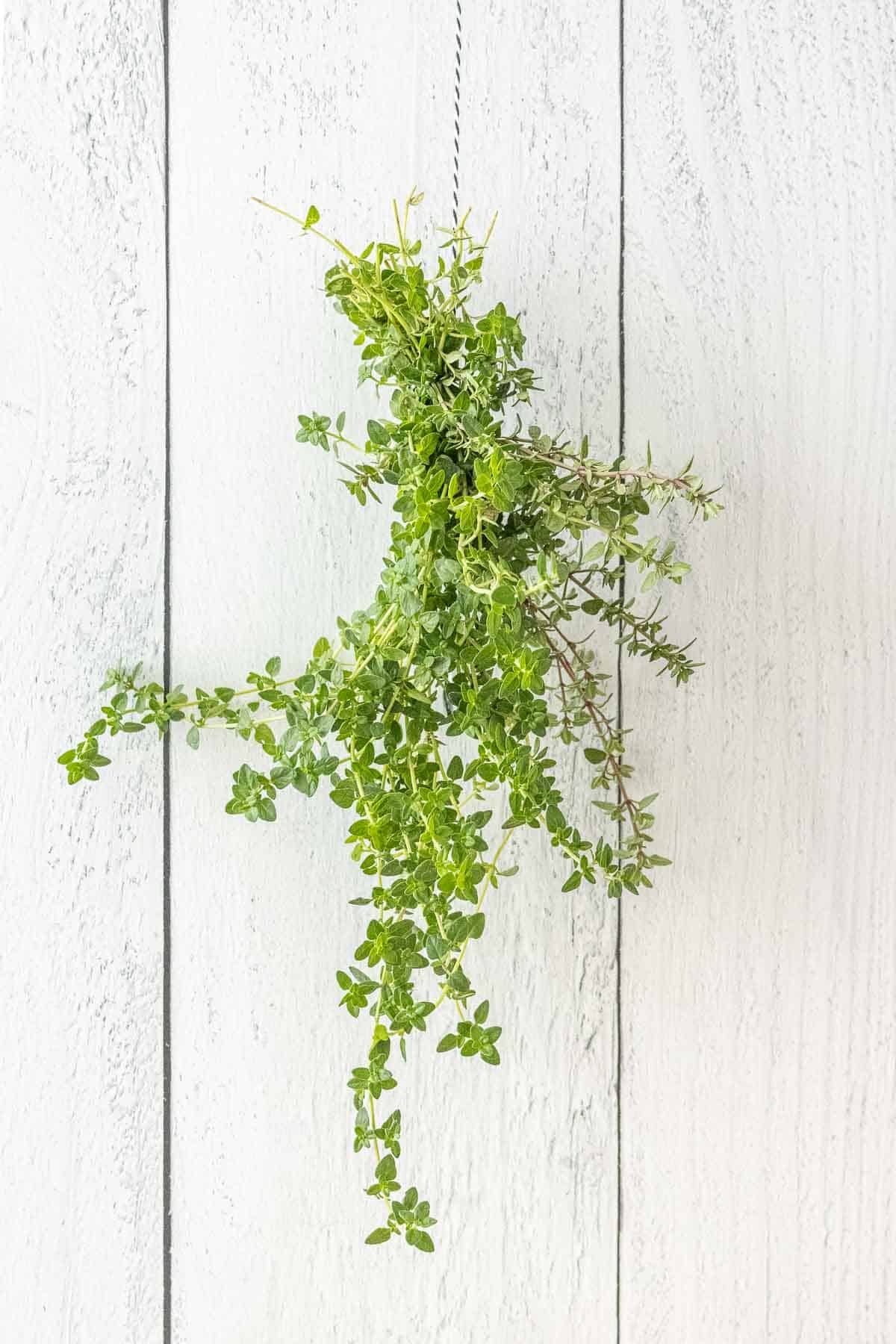
Why Preserve Thyme, and Why Choose the Oven Method?
Thyme, with its distinct earthy and slightly minty flavor profile, is a culinary staple worldwide. Whether you cultivate it in your garden or pick up fresh sprigs from the market, preserving this aromatic herb allows you to enjoy its goodness long after its fresh season has passed. Drying thyme concentrates its essential oils, often intensifying its flavor, making it a powerful addition to your spice rack.
Among the various methods available for preserving herbs, oven drying stands out as one of the quickest and most accessible. It's an excellent choice for home cooks looking for efficiency without compromising quality. Unlike air-drying, which can take days, or a dehydrator, which requires specialized equipment, your conventional oven offers a fast track to perfectly dried thyme, locking in its aromatic essence for future culinary adventures.
Essential Preparation Steps Before Oven Drying Thyme
Before you even think about turning on your oven, proper preparation is key to ensuring your dried thyme is clean, crisp, and full of flavor. These initial steps are crucial for the best results:
- Thorough Washing: Begin by washing your fresh thyme sprigs under cool, running water. This essential step removes any lingering dirt, dust, or potential garden pests that might be clinging to the leaves. Handle the delicate sprigs gently to avoid bruising.
- Removing Excess Moisture: After washing, it's paramount to get the thyme as dry as possible before it enters the oven. Excess moisture is the enemy of crisp, oven-dried herbs; it can lead to steaming rather than drying, resulting in a soft, undesirable texture. You can achieve this in a few ways:
- Salad Spinner: For larger batches, a salad spinner is highly efficient at slinging off water.
- Paper Towels: For smaller quantities or after using a spinner, gently pat the thyme sprigs dry with paper towels. Lay them flat and press lightly, ensuring most surface water is absorbed.
- Air Drying (Briefly): If time allows, you can let the sprigs air dry on a clean kitchen towel for 15-30 minutes after patting dry, ensuring virtually all surface moisture has evaporated.
- Prepping for the Tray: While some prefer to remove leaves from stems before drying, it's generally easier to dry the sprigs whole and then strip the leaves once they're crisp. This minimizes handling of delicate fresh leaves.
Step-by-Step Guide: How to Dry Thyme in Your Oven
Once your thyme is clean and dry, you're ready to transform it into a long-lasting pantry staple. This method prioritizes low heat and careful monitoring to preserve the herb's flavor and aroma.
- Preheat Your Oven to the Lowest Setting: This is arguably the most critical step. The ideal temperature for drying thyme in an oven is the lowest possible setting your oven can achieve, typically around 120°F (50°C). Some ovens have a "warm" or "proof" setting that works perfectly. High heat will cook your thyme, not dry it, destroying its delicate essential oils and flavor.
- Line a Baking Sheet: Cover a large baking sheet with parchment paper. This prevents the thyme from sticking and makes cleanup easier.
- Spread Thyme in a Single Layer: Arrange the clean, dry thyme sprigs on the parchment-lined baking sheet. Ensure they are spread out in a single layer, leaving ample space between them. Good airflow is essential for even and efficient drying. Overcrowding the tray will trap moisture and hinder the drying process.
- Promote Aeration with an Open Oven Door: Once the oven is preheated, place the baking sheet inside. To further encourage air circulation and allow moisture to escape, prop open the oven door slightly, using a wooden spoon or a heat-safe oven mitt. This prevents the oven from becoming a steamy environment, which would "cook" the thyme rather than dehydrate it.
- Monitor and Flip Regularly: The drying time can vary depending on your oven's exact temperature and the initial moisture content of your thyme, but typically takes 1 to 2 hours. Begin checking your thyme after about 30 minutes, and then every 15 minutes thereafter.
- Gently flip or stir the sprigs to ensure even exposure to the warm air.
- Look for signs of doneness: The leaves should be completely dry and brittle.
- Test for Doneness: Properly dried thyme leaves will easily crumble when pinched between your fingers and will readily fall off their tough stems. They should not feel soft, pliable, or stick together. If they still bend or feel slightly damp, continue drying and checking frequently.
- Cool Completely: Once the thyme is perfectly dry, remove the baking sheet from the oven and let the leaves cool completely on the tray at room temperature. This step is vital for preventing condensation in your storage containers.
- Remove Leaves from Stems: After cooling, gently strip the dried leaves from the woody stems. The leaves should easily come off with a light pinch or by running your fingers down the stem. Discard the bare stems.
Maximizing Your Results: Tips for Perfect Oven-Dried Thyme
Achieving perfectly dried thyme consistently involves a few key practices that go beyond the basic steps. Incorporating these tips will help you preserve the maximum flavor and aroma of your herb harvest.
- Don't Rush the Process: While the oven method is quick, resist the temptation to increase the oven temperature to speed things up further. Higher temperatures can "cook" the delicate herb, destroying its volatile oils and diminishing its flavor and aroma. Patience at the lowest temperature yields the best results.
- Ensure Even Drying: Periodically checking and gently flipping or stirring the thyme leaves ensures that all parts are exposed to the warm air, leading to uniform drying.
- Start with Dry Thyme: We can't emphasize enough the importance of thoroughly drying your thyme sprigs after washing. Any residual moisture will prolong the drying time and can negatively impact the final texture of your dried herb.
- Prioritize Airflow: Never overcrowd your baking sheet. Giving each sprig enough space for air to circulate around it is crucial for effective dehydration. If you have a large batch, dry it in multiple rounds using separate baking sheets.
- Visual and Tactile Checks are Key: Don't rely solely on the clock. Ovens vary, and so does the moisture content in fresh thyme. Always use the crumble test and visual inspection to determine if your thyme is truly dry.
- Consider Your Thyme Variety: While the process for how to dry thyme - Article 1 details methods for various herbs, remember that different thyme varieties (e.g., lemon thyme, common thyme) may have slightly different moisture levels, subtly influencing drying times.
Storing Your Home-Dried Thyme for Long-Lasting Flavor
Once you've gone through the effort of drying your thyme, proper storage is essential to maintain its potency and extend its shelf life. Here's how to keep your oven-dried thyme at its best:
- Cool Completely: Before transferring to containers, ensure the dried thyme is completely cool to the touch. Warm herbs can create condensation inside sealed containers, leading to mold and spoilage.
- Choose Airtight Containers: The enemy of dried herbs is air and moisture. Store your dried thyme in airtight containers, such as glass jars (mason jars are perfect), or specialty spice jars with tight-fitting lids. This prevents moisture reabsorption and keeps the delicate aromas locked in.
- Location, Location, Location: Store your filled containers in a cool, dry, dark place. A pantry or cupboard away from direct sunlight, heat sources (like ovens or stovetops), and high humidity is ideal. Light and heat can degrade the herb's color, flavor, and medicinal properties over time.
- Whole Leaves vs. Ground: You have the option to store your dried thyme leaves whole or to grind them into a powder.
- Whole Leaves: Storing thyme whole helps preserve its essential oils longer, meaning more flavor retention. You can crush or grind them just before use.
- Ground Thyme: If you prefer the convenience, you can grind the dried leaves using a food processor or a dedicated coffee grinder (used only for spices). However, ground spices tend to lose their potency faster.
- Shelf Life: Properly stored dried thyme can maintain its peak flavor for 6-12 months, though it can remain safe to use for much longer. You'll know it's past its prime when its aroma significantly diminishes. For more comprehensive insights into extending the life of your herbs and other preservation techniques, consider delving into how to dry thyme - Article 3.
Drying thyme in your oven is a straightforward and rewarding process that empowers you to preserve the fresh flavors of your garden or market haul. By following these steps and tips, you'll ensure a steady supply of aromatic, potent dried thyme, ready to elevate your cooking year-round. Embrace the satisfaction of homemade goodness and savor the convenience of having this versatile herb always at your fingertips.
